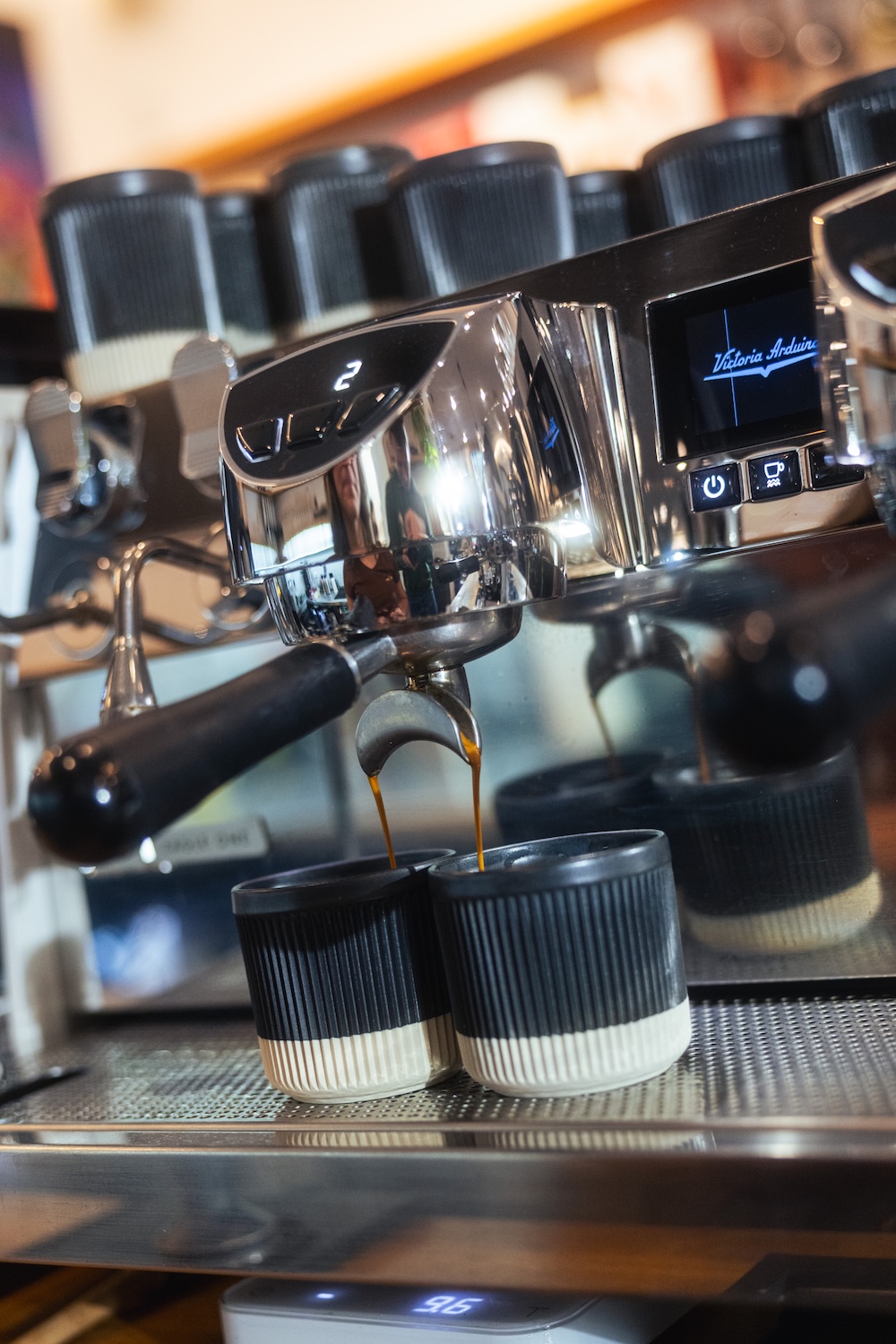

When you order a coffee, you might be surprised by how different it can taste. Sometimes you’ll notice notes of chocolate and nuts; other times it may remind you of fruit or tea. Several factors influence the final flavor: the coffee’s origin, altitude, variety, and processing method.
Origin matters more than you might think
For example, coffees from Brazil are often known for their full body, lower acidity, and notes of chocolate, nuts, or caramel. On the other hand, coffees from Ethiopia usually offer a fruitier and lighter profile. It’s not unusual to discover flavors of peach, citrus, red berries, or tea-like notes in the cup. Altitude also plays an important role in how coffee develops. At higher elevations, coffee cherries ripen more slowly, allowing them to develop more sugars and a more complex flavor profile.
That’s why many specialty coffees come from regions located between 1,500 and 2,200 meters above sea level.
Coffee processing
Another key factor is the processing method.
Washed coffees are typically cleaner, lighter, and often highlight the character of the bean itself.
Natural processed coffees, on the other hand, tend to bring more sweetness, fruitiness, and a fuller body.
That’s also why two coffees from the same country can taste completely different. At the moment, on board, we’re serving coffee from the roastery Zrno44, an Ethiopia Shakiso with natural processing. In the cup, you may discover notes of black tea, peach, chocolate, and red berries. It’s a coffee that’s juicy, sweet, and beautifully balanced. As an espresso, it reveals its fruitiness and tea-like elegance, while in a cappuccino or flat white, its smoothness and sweeter notes truly stand out. Whether you’re team espresso, filter coffee, or milk-based coffee, one thing always stays true: great coffee starts with a quality bean and ends with a barista who knows how to work with it.
Come taste it on board.